
Strategies, Insights, and Future Trends
In today’s dynamic business environment, supply chain management plays a pivotal role in achieving operational excellence and cost efficiency. As a seasoned professional with over 18 years in the field, I’ve compiled insights and strategies to help businesses optimize their supply chain processes. Whether you’re a small business owner or a supply chain leader, these tips are designed to help you thrive in an ever-evolving landscape.
—
Top Strategies for Supply Chain Optimization
1. Streamline Your Operations
For small businesses, supply chain optimization starts with identifying inefficiencies. Implement lean methodologies to eliminate waste and enhance productivity. Tools like SAP, Salesforce, and Ariba are invaluable in tracking inventory, forecasting demand, and automating processes.
2. Data-Driven Decision Making
Leverage advanced metrics and analytics to make informed decisions. By understanding key performance indicators (KPIs) such as order accuracy, inventory turnover, and delivery times, you can improve overall efficiency and customer satisfaction.
—
Building Resilient and Sustainable Supply Chains
3. Prepare for Disruptions
Recent global events have highlighted the importance of supply chain resilience. Proactively plan for disruptions by diversifying suppliers, maintaining safety stock, and leveraging technology to monitor risks.
4. Prioritize Sustainability
Eco-friendly practices are no longer optional. Businesses can reduce their carbon footprint by optimizing transportation routes, using recyclable packaging, and sourcing materials responsibly.
—
Enhancing Vendor Relationships
5. Turning Challenges Into Opportunities
Strong vendor relationships are crucial. Focus on transparent communication and negotiating contracts that benefit both parties. Address challenges by identifying better vendors through networking and social media.
6. Breaking Down Silos
Collaboration across supply chain teams ensures smoother operations. Use technology and regular communication to foster teamwork and align goals.
—
Future Trends in Supply Chain Management
7. Embrace Technology
Automation, artificial intelligence (AI), and blockchain are reshaping supply chain management. These technologies provide real-time visibility, improve decision-making, and reduce costs.
8. Focus on E-Commerce
With the rise of online shopping, optimizing logistics for e-commerce businesses is essential. Ensure seamless order fulfillment by integrating inventory management systems with e-commerce platforms.
—
Cost Reduction Without Compromising Quality
9. Conduct Regular Supply Chain Audits
Identify areas for improvement through regular audits. Streamline processes, renegotiate vendor contracts, and adopt lean practices to reduce costs while maintaining quality.
10. Optimize Transportation
Transportation and logistics optimization can lead to significant savings. Use route-planning software to minimize fuel consumption and delivery times.
—
Insights From a Supply Chain Leader
11. Lessons From the Military
My Air Force experience taught me discipline and adaptability, which are critical in managing large-scale supply chains. Leadership is about making quick, informed decisions and fostering a results-driven team culture.
12. Balancing Work and Life
Managing a supply chain career can be demanding, but maintaining a work-life balance is essential for sustained success. Prioritize rest, plan your time effectively, and focus on professional growth.
—
Conclusion: The Value of Supply Chain Consulting
Incorporating these strategies into your operations can drive tangible results, but navigating the complexities of supply chain management often requires expert guidance. That’s where supply chain consultants like myself come in. With the right strategies, tools, and leadership, your business can achieve unmatched efficiency and profitability.
—
Ready to Optimize Your Supply Chain?
At Russell Schaner Consulting, we specialize in helping businesses unlock their full potential. Contact us today to learn how we can transform your supply chain operations.
2024: A Year of Supply Chain Evolution
As we wind down 2024, it’s clear that the supply chain industry has continued its dynamic journey, marked by both challenges and opportunities. Let’s reflect on the key trends that shaped this year:
Persistent disruptions, from geopolitical tensions to labor shortages and inflation, tested the resilience of supply chains. However, digital transformation emerged as a powerful force, with AI, automation, and advanced analytics driving efficiency and visibility.
Consumer expectations continued to evolve, fueled by the e-commerce boom and a growing demand for personalization and sustainability. To meet these expectations, businesses had to adapt their supply chains to be more agile and responsive.
As we look ahead to 2025, building resilience, embracing digital innovation, and prioritizing sustainability will be crucial. Supply chain networks will become increasingly complex, requiring sophisticated strategies to navigate uncertainty and capitalize on emerging opportunities.
By staying informed, adapting to change, and fostering collaboration, businesses can position themselves for success in the ever-evolving supply chain landscape.
The Best Tools Every Consultant Needs to Maximize Efficiency and Success
In today’s fast-paced consulting world, having the right tools can be the difference between thriving and merely surviving. Whether you’re an independent consultant or part of a larger firm, equipping yourself with the right technology can streamline your workflow, optimize client interactions, and enhance your productivity. Here’s a breakdown of the essential tools every consultant should have in their toolkit.
1. Project Management & Collaboration Tools
Keeping projects on track, collaborating with clients, and ensuring timely deliverables are crucial for consultants. The right project management tool can help you manage tasks, deadlines, and communication seamlessly.
Trello: A visual project management tool using boards, lists, and cards to organize tasks.
Asana: Great for larger projects, team collaboration, and detailed project tracking.
Monday.com: Offers a flexible, user-friendly interface that adapts to your specific needs.
Notion: Combines note-taking, task management, and database capabilities in one platform.
2. Communication & Video Conferencing
Effective communication with clients is a cornerstone of successful consulting. Whether you’re checking in with clients, hosting meetings, or presenting proposals, having reliable communication tools is key.
Zoom: A popular choice for video conferencing with features like screen sharing, breakout rooms, and recording.
Microsoft Teams: Ideal for those already using the Microsoft ecosystem. It offers chat, video meetings, and integration with Office 365.
Slack: Great for quick communication, file sharing, and integrating with other apps for seamless collaboration.
Google Meet: Simple, effective, and integrated into Google Workspace.
3. Time Tracking & Billing
Consultants need to keep track of billable hours to ensure accurate invoicing. Having a good time tracking tool can help you monitor your productivity and stay on top of your finances.
Harvest: Time tracking, invoicing, and reporting in one simple tool.
Toggl Track: A user-friendly time tracker with detailed reporting and integration options.
FreshBooks: Excellent for invoicing, expense tracking, and financial reporting.
Clockify: Free time tracking with robust features, ideal for consultants on a budget.
4. Document Management & File Sharing
A lot of consulting work revolves around creating, sharing, and collaborating on documents. Using cloud-based tools can ensure your files are always accessible, secure, and easily shared with clients.
Google Drive: Store, share, and collaborate on documents in real-time.
Dropbox: Reliable cloud storage with easy file-sharing features.
DocuSign: Essential for getting contracts and agreements signed digitally.
OneDrive: Ideal if you’re already using Microsoft’s suite of products.
5. CRM (Customer Relationship Management) Tools
Building and nurturing client relationships is essential for consultants. CRM tools help you keep track of client interactions, manage leads, and streamline your sales pipeline.
HubSpot CRM: Free, robust, and packed with features to manage contacts and automate follow-ups.
Salesforce: Powerful and customizable, though it may be more than you need if you’re a solo consultant.
Pipedrive: Simple and intuitive, great for consultants focusing on business development.
Zoho CRM: Affordable with a wide range of features, ideal for consultants looking for flexibility.
6. Note-Taking & Brainstorming Tools
Whether it’s during a client meeting or while brainstorming new strategies, having a reliable tool to jot down notes and ideas is invaluable.
Evernote: Organize notes, create checklists, and clip web content for reference.
OneNote: Part of the Microsoft Office Suite, great for integrating with other Microsoft tools.
Miro: An online whiteboard platform for brainstorming, mind mapping, and collaborating visually.
Obsidian: A powerful knowledge management tool that helps you create and link notes seamlessly.
7. Analytics & Reporting
To deliver value to clients, consultants need to analyze data and generate actionable insights. These tools can help you turn raw data into comprehensive reports.
Google Analytics: Essential for tracking website performance and user behavior.
Power BI: Great for data visualization and reporting, especially if you’re working with Microsoft products.
Tableau: Powerful data visualization tool for in-depth data analysis.
SEMrush: Ideal for consultants focused on digital marketing and SEO strategies.
8. Marketing & Social Media Management
To grow your consulting business, having a solid marketing strategy is crucial. These tools can help you manage your online presence and automate your outreach efforts.
Hootsuite: Manage multiple social media accounts, schedule posts, and analyze performance.
Canva: Create professional graphics, presentations, and social media content with ease.
Mailchimp: Perfect for email marketing campaigns and automating client follow-ups.
Buffer: Schedule posts and analyze social media engagement.
9. Security & Privacy
As a consultant, protecting your client’s sensitive information is non-negotiable. Having robust security tools can safeguard your data and ensure compliance with privacy regulations.
LastPass: Securely store and manage passwords.
NordVPN: Protect your internet connection, especially when working remotely.
Bitdefender: Comprehensive antivirus software for your devices.
ProtonMail: Secure, encrypted email service for confidential communication.
Conclusion
Consulting requires wearing multiple hats, and the right tools can make a world of difference in optimizing your efficiency, productivity, and client satisfaction. Whether you’re managing projects, communicating with clients, or analyzing data, equipping yourself with the right software and platforms will help you stay on top of your game.
Which tools do you use in your consulting practice? Share your favorites in the comments below!
Discover Expert Strategies for Supply Chain
Discover Expert Strategies for Supply Chain and Logistics with Russell Schaner’s Books on Amazon
Are you looking to optimize your supply chain processes, streamline inventory management, or improve your vendor relationships? Russell Schaner, a seasoned supply chain consultant with military experience, has compiled years of hands-on expertise into a powerful collection of books now available on Amazon.
Why Choose These Books
Simple Warehousing Essential Strategies for Efficient Operations
Gain insights into warehousing best practices and strategies that can immediately impact your bottom line
Get it on Amazon: [https://www.amazon.com/dp/BODJLDQ6J5](https://www.amazon.com/dp/BODJLDQ6J5)
The Supply Chain Playbook
Learn actionable tips and tricks to enhance your supply chain efficiency and drive cost savings
Order the paperback: [https://www.amazon.com/dp/BODJJPSH7R](https://www.amazon.com/dp/BODJJPSH7R)
Vendor Management Simplified Mastering Contracts and Supplier Relationships
Understand how to negotiate better contracts and manage supplier relationships effectively
Available here: [https://www.amazon.com/dp/BODJ51FDDD](https://www.amazon.com/dp/BODJ51FDDD)
Inventory Management Simplified 15 Proven Tips for Better Control
Achieve optimal inventory levels and avoid stockouts with practical advice that works
Check it out: [https://www.amazon.com/dp/BODJRX6JYS](https://www.amazon.com/dp/BODJRX6JYS)
Warehouse Hacks 20 Quick Fixes for Immediate Efficiency
Implement quick changes that will boost productivity in your warehouse
Get your copy: [https://www.amazon.com/dp/BODJMT2WR9](https://www.amazon.com/dp/BODJMT2WR9)
Supply Chain Optimization Quick Wins
Drive improvements in your supply chain with this guide focused on actionable quick wins
Explore it: [https://www.amazon.com/dp/BODJHFXB5K](https://www.amazon.com/dp/BODJHFXB5K)
Unlock your potential to drive efficiency and growth in your business with Russell Schaner’s expert guides. Each book is packed with practical strategies you can start implementing today. Perfect for supply chain managers, logistics coordinators, and business owners looking to optimize their operations.
Don’t miss out on this opportunity to elevate your skills and achieve better results. Head over to Amazon now and add these essential guides to your library.
Maximizing Business Success: Process Optimization and Smart Investment Strategies
In today’s fast-paced business world, growth and profitability are essential, but they aren’t achieved by chance. One of the most effective ways to keep your business moving forward is through process optimization. Streamlining your operations can lead to higher productivity, reduced costs, and improved overall performance. However, it’s also important to look closely at your investments to ensure you’re getting the return you expect. Sometimes, even valuable resources can underperform, draining time and money without you noticing.
Why Process Optimization Matters
Process optimization is about finding ways to do things better, faster, and with less waste. By optimizing processes, you cut down on unnecessary steps, reduce costs, and make your team more efficient. Imagine a factory line that has multiple steps but could easily be shortened by adjusting the workflow. This simple change can increase output and lower expenses, boosting profit margins.
When you streamline processes, your employees spend less time on repetitive tasks and more time on activities that drive growth. Efficiency helps your team deliver better results and allows your business to handle increased demand without extra costs. By continuously improving processes, you’re not just saving money – you’re setting up your business for long-term growth.
Identifying Underperforming Investments
Even when processes are optimized, some investments can still underperform. It’s essential to regularly review where your money is going and evaluate whether each expense brings a worthwhile return. For example, if you’re investing in a software tool that promises to increase productivity but rarely gets used, it may be time to re-evaluate that expense. Regular check-ins on investments ensure that your money is working for you, not just sitting idle.
To spot underperforming investments, ask yourself a few key questions:
– Is this resource delivering measurable value to the business?
– Could the funds be better allocated elsewhere for a higher impact?
– Are there alternatives that offer a better return or lower cost?
By staying aware of where your resources are going, you can redirect funds to areas that drive growth and reduce unnecessary spending. This proactive approach helps you identify inefficiencies before they affect your bottom line.
Combining Optimization and Smart Investments for Success
The combination of process optimization and strategic investment management creates a powerful foundation for business success. When your processes are streamlined, you’re naturally set up for better performance and higher profitability. Then, by continually assessing your investments, you ensure that every dollar supports your business goals.
Taking time to focus on these areas might seem like an extra task, but the impact can be significant. Improved efficiency and smarter spending lead to a more robust business, better prepared to adapt and grow in any economic environment.
In summary, remember:
1. Optimize processes to cut down on waste and increase productivity.
2. Regularly review investments to ensure each one provides real value.
3. Make adjustments as needed to keep your business on the path to growth.
By following these steps, you’ll create a business that isn’t just surviving – it’s thriving.
Bridging Theory and Practice: The Real Value of Experience in Supply Chain Consulting

The Unique Edge of Real-World Experience in Supply Chain Consulting: Why Veterans Make Better Consultants
In the world of supply chain and logistics, there’s a vast difference between textbook knowledge and hands-on experience. As someone with years of practical experience and a strong educational background, I bring a unique blend to my consulting services that sets me apart from others in the industry. My military background further amplifies my ability to deliver results in challenging environments, making me a standout consultant.
### The Value of Real-World Experience in Supply Chain Consulting
While education provides a solid foundation, nothing beats the practical insights gained from years of real-world experience. In supply chain management, dealing with unpredictable variables is often the norm. From managing high-volume inventories to handling last-minute logistical challenges, real-world experience enables consultants to make data-driven decisions quickly and effectively.
Research shows that consultants with hands-on experience in the field are better equipped to handle unexpected challenges【source】. This is because they can draw from past experiences rather than relying solely on theory. In my career, I’ve tackled everything from optimizing warehouse processes to streamlining transportation logistics, delivering significant cost savings and efficiency improvements.
### Why Veterans Excel as Consultants
Veterans possess a unique set of skills that make them exceptional consultants, especially in the supply chain and logistics space. The military instills a strong sense of discipline, strategic thinking, and the ability to perform under pressure. These qualities translate seamlessly into the world of consulting.
According to a study by the Institute for Veterans and Military Families, veterans excel in roles that require leadership, adaptability, and quick decision-making【source】. These are precisely the qualities needed in supply chain management, where situations can change rapidly, and decisions must be made on the fly.
Moreover, veterans are trained to work in cross-functional teams, often in high-stress environments, which aligns perfectly with the needs of supply chain projects that require coordination across departments【source】. My own military experience has taught me how to lead teams effectively, communicate clearly, and implement solutions that drive results.
### Bridging the Gap Between Education and Real-World Application
While a strong educational background is essential, it’s the ability to apply that knowledge in real-world scenarios that truly drives results. By leveraging both my academic qualifications and my practical experience, I can provide clients with actionable strategies that yield immediate results.
For businesses looking to optimize their supply chain, it’s crucial to work with consultants who have both the educational foundation and the hands-on experience to back up their recommendations. Veterans, in particular, bring a unique blend of strategic planning and operational execution that can transform a company’s logistics operations【source】.
### Conclusion: The Real Advantage of Working with a Veteran Consultant
If your organization is looking for a consultant who not only understands the theories behind supply chain management but also has the real-world experience to implement effective solutions, look no further. My background in both education and military service positions me as a consultant who can drive real change and deliver measurable results.
If you’re interested in optimizing your supply chain, let’s connect and discuss how I can bring my unique expertise to your organization.
**Sources:**
1. [Institute for Veterans and Military Families](https://ivmf.syracuse.edu)
2. [Why Veterans Make Exceptional Leaders](https://hbr.org)
3. [The Benefits of Hiring Veterans](https://www.forbes.com)
How to Measure a Consultant’s Value: Key Metrics to Ensure You’re Getting Results
How to Measure a Consultant’s Value: Key Metrics to Ensure You’re Getting Results
Hiring a consultant can be a significant investment, and it’s essential to ensure you’re receiving value for your money. But how do you measure a consultant’s effectiveness beyond the obvious deliverables? Here are key metrics and insights to help you assess if your consultant is making a genuine impact on your business.
1. Clear Objectives and KPIs
– From the outset, define what success looks like. Establish measurable Key Performance Indicators (KPIs) that align with your goals. Whether it’s cost reduction, process improvement, or revenue growth, make sure the consultant’s objectives are specific and trackable.
2. Progress Tracking and Milestones
– Break down the project into milestones and regularly check in on progress. Are they meeting deadlines? Are their contributions moving you closer to your desired outcome? Regular updates allow you to evaluate whether the consultant is on track.
3. Cost Savings and ROI
– Calculate the return on investment (ROI) of the consultant’s work. Look for tangible savings, increased revenue, or operational efficiencies that offset the cost of hiring them. If the consultant’s impact on the bottom line is clear, it’s a sign of effective value.
4. Employee and Stakeholder Feedback
– Gather feedback from your team or stakeholders who interact with the consultant. Are they finding the consultant’s input valuable? Do they feel empowered and guided in their roles? Positive feedback can indicate that the consultant is effectively engaging with the team and adding value.
5. Quality of Recommendations and Implementation
– Assess the quality of the consultant’s recommendations. Are they feasible and aligned with your long-term goals? If implementation has started, consider if these changes are producing positive results. High-quality solutions should be sustainable and beneficial even after the consultant’s role concludes.
6. Adaptability and Problem Solving
– Observe how the consultant handles unexpected challenges. A valuable consultant will adapt, find solutions, and keep the project on course without needing constant direction.
7. Knowledge Transfer and Skill Development
– Evaluate if the consultant is enabling your team to take over the improvements once the contract ends. Effective consultants will leave your team with skills and knowledge that prevent reliance on external help in the future.
By focusing on these areas, you can measure a consultant’s value and ensure they are contributing positively to your business. Making sure you’re getting the best results will help justify the investment and build a foundation for continued success.
Uncovering Hidden Money Leaks: How to Spot Lost Dollars in Your Business
In the hustle and bustle of running a business, it’s easy to overlook small expenses or inefficiencies that, over time, add up to significant losses. These “money leaks” might seem minor individually, but when identified and corrected, they can make a noticeable impact on your bottom line. Here’s how to identify hidden areas where your business might be losing money without even realizing it.
—
1. Analyze Operational Costs Regularly
One of the most common areas for hidden losses is operational costs. Small price increases from suppliers, utility costs that creep up, or equipment that’s not as energy-efficient as it could be – these are often overlooked expenses. Regularly review all your expenses, from production to office supplies, and ask yourself if there’s a more cost-effective option available. Small adjustments can add up to big savings.
—
2. Track Time Spent on Non-Essential Tasks
Employee time is one of your most valuable resources. If team members are spending hours on repetitive or low-impact tasks, that’s a hidden cost. Implementing automation tools or outsourcing certain functions, like data entry or customer service, can free up time for your employees to focus on higher-value activities that drive revenue.
—
3. Audit Your Subscription Services
Monthly subscriptions can be convenient, but they can also silently drain funds. Conduct a subscription audit to identify services your business no longer needs or uses infrequently. Often, companies sign up for software trials, streaming services, or cloud storage solutions that don’t end up getting much use but continue to bill monthly. Eliminating or consolidating these services can lead to immediate savings.
—
4. Monitor Inventory Management
Overordering stock or failing to track inventory can result in spoilage, obsolete products, or excessive storage costs. Implementing inventory management software can help optimize stock levels, reduce waste, and improve cash flow. By staying on top of what’s actually needed, you’ll reduce unnecessary costs and avoid tying up capital in unused inventory.
—
5. Examine Your Energy Usage
Utilities are often a major, overlooked expense. Conducting an energy audit in your office or facility can reveal areas to improve efficiency. Simple adjustments like switching to LED lighting, using programmable thermostats, or improving insulation can reduce energy costs. In some cases, renewable energy options can also offer long-term savings.
—
6. Reevaluate Your Marketing Spend
Marketing is essential for growth, but it’s also a place where businesses can overspend. Regularly review your marketing channels and assess which ones bring in the most leads or conversions. If certain channels are underperforming, it might be worth reallocating funds to higher-impact areas. Track the return on investment (ROI) of each marketing dollar spent to ensure you’re not pouring money into ineffective campaigns.
—
7. Leverage Data Analytics
Using data analytics can reveal surprising insights into customer behavior, inventory patterns, and operational inefficiencies. Investing in analytics tools allows you to see where your business is making or losing money in ways that aren’t immediately visible. By identifying trends and areas for improvement, you can make data-driven decisions that prevent hidden costs from eroding profits.
—
8. Review Vendor Contracts Regularly
Sometimes, long-term vendor relationships lead to complacency. Review vendor contracts periodically to ensure you’re getting competitive rates. Reach out to suppliers to renegotiate prices or consider switching vendors if better terms are available. Loyalty is valuable, but so is a competitive rate that helps you stay profitable.
—
9. Assess Your Tax Deductions
Many businesses miss out on potential tax savings by not thoroughly reviewing deductions and credits. Consult with a tax professional to ensure you’re maximizing your eligible deductions, including those related to business expenses, employee benefits, or equipment depreciation. This proactive approach can uncover hidden tax savings that directly benefit your cash flow.
—
Conclusion
By paying close attention to these areas, you can uncover hidden costs that might be eating into your profits. Regular reviews, audits, and data analysis can help you plug money leaks before they turn into significant losses. Remember, even small savings add up over time – and that’s money that can go back into growing your business.
Identifying and fixing these hidden financial drains is an investment in your business’s financial health.
Top Software Solutions for Small Businesses and Consultants: Boost Efficiency and Streamline Operations
For small business owners and consultants, Microsoft Office Home & Business 2021 provides all the essential tools to streamline your work. Whether you’re preparing reports in Word, managing finances in Excel, or organizing meetings in Outlook, this one-time purchase package has everything you need. It’s designed for both PC and Mac users, making it versatile across devices. With its easy download and immediate access to essential productivity apps, you’ll be ready to tackle any project efficiently.
You can get it now and boost your productivity by purchasing through this link: Microsoft Office Home & Business 2021 https://amzn.to/3A7msCz

Adobe Acrobat Pro is a must-have tool for professionals who work with documents on a regular basis. Whether you’re editing PDFs, adding electronic signatures, or converting files, this software provides all the features necessary to manage and streamline your document processes. The 1-year subscription ensures you always have the latest updates and features at your fingertips, making it a perfect addition to any small business or consultant’s toolkit.
Get Adobe Acrobat Pro today and take your document management to the next level: https://amzn.to/4eWCCxA

Dragon Professional Version 16 is an advanced speech recognition software designed for professionals looking to streamline their workflows. This upgrade allows users to dictate documents, send emails, and navigate their systems all through voice commands, boosting productivity and reducing typing-related fatigue. Perfect for business owners, consultants, and any professional who spends long hours working on the computer, Dragon Professional offers a reliable and efficient solution to getting more done in less time.
Check it out here: https://amzn.to/3UkcxQO

In conclusion, investing in tools like Dragon Professional Version 16 can significantly enhance your productivity and reduce the time spent on routine tasks. By incorporating advanced speech recognition into your workflow, you can focus on higher-level tasks that drive your business forward. Whether you’re writing reports, sending emails, or managing complex projects, Dragon Professional can be a game-changer for your day-to-day operations.
Affiliate Disclosure: Some of the links provided in this article are affiliate links. This means I may earn a small commission at no extra cost to you if you decide to make a purchase. Thank you for your support!
“Essential Office Gear: Affordable Solutions to Boost Your Productivity”

When setting up a budget-friendly home office, finding the right balance between cost and comfort is crucial. A great option to start with is the **Sweetcrispy Office Computer Desk Managerial Executive Chair**. This ergonomic, mid-back mesh chair is designed for comfort with rolling wheels and lumbar support, making it ideal for long working hours. It’s affordable too, currently priced at just **$39.99**, making it a solid choice for those on a budget who still want to maintain proper seating posture throughout the day. With thousands of positive reviews, it’s a chair that delivers both value and performance. You can check out more details and purchase it [here](https://amzn.to/3BPsDf7).

When you’re working late or need focused lighting at your desk, an adjustable and reliable desk lamp is essential. The **LED Desk Lamp** from Airnory offers a sleek, functional solution for your home office. With a gooseneck design for easy adjustment and stepless dimming that ranges from 2700K to 6500K, this lamp allows you to set the perfect lighting for any task. It’s ideal for reading, studying, or even unwinding at the end of a long workday. At a current price of **$20.98**, it’s a fantastic budget-friendly option to add to your workspace. You can purchase this highly rated desk lamp [here](https://amzn.to/4fe7ppD).


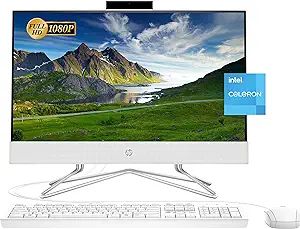
For those looking for an affordable yet efficient all-in-one desktop computer, the **HP 21.5-inch All-in-One PC** with Intel Celeron is a solid choice. Perfect for home offices, this computer features a full HD 1080p display, a slim design, and comes with a keyboard and mouse. It’s great for browsing the web, working on documents, or even streaming videos. At **$399.99**, it’s an incredible deal for those who need a reliable computer without breaking the bank. You can check out more details and purchase this PC [here](https://amzn.to/4h5gvGZ).
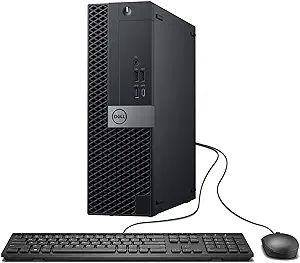
For those who need a more robust desktop option, the **Dell Optiplex 7010 Small Form Factor Desktop** is an excellent choice. This refurbished powerhouse is equipped with an Intel Core i5 processor, 16GB of RAM, and a 2TB HDD for ample storage. It’s perfect for multitasking, handling more demanding office tasks, and ensuring smooth workflow. The sleek, space-saving design makes it ideal for smaller office setups. You can get this reliable desktop at an amazing price by clicking [here](https://amzn.to/3Ye6vlX).
Every home office needs a reliable paper shredder, and the **Bonsaii 12-Sheet Cross-Cut Paper Shredder** is a top choice for security and efficiency. This shredder can handle up to 12 sheets of paper at once, as well as credit cards, CDs, and staples, all while turning them into tiny particles for your peace of mind. With a P-4 security level, it’s perfect for securely disposing of sensitive documents. It also features a spacious 5.5-gallon waste bin with a transparent window to see when it’s full. For anyone in need of secure shredding, you can get this product [here](https://amzn.to/3Ny69li).

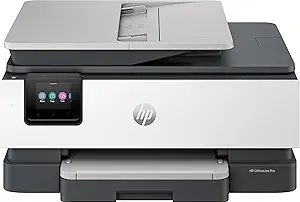
No home office is complete without a reliable printer, and the **HP OfficeJet Pro 8135e Wireless All-in-One Color Inkjet Printer** is a fantastic option. This printer handles all your printing needs, from scanning to copying and even faxing, making it perfect for your business and personal use. Its wireless capabilities allow you to print from anywhere in the house, and with duplex printing, you’ll save paper too. It even comes with 3 months of ink included! Whether you’re printing documents or creating flyers, this all-in-one printer is the best for your office setup. You can find this printer [here](https://amzn.to/3AdxLJe).
If your workspace is becoming cluttered, the **Supeasy 5 Trays Paper Organizer** can help keep things neat and organized. This paper sorter is perfect for storing important documents, bills, or other paperwork you want to keep handy but in order. The five trays offer ample storage space, and the sleek black mesh design makes it a stylish addition to any home office. Plus, it’s easy to assemble, making organization hassle-free. Get your office tidied up with this simple, effective paper organizer! You can purchase it [here](https://amzn.to/3UfT43D).

A well-organized and functional office can significantly improve productivity and efficiency. Whether it’s investing in an ergonomic chair, a versatile desk lamp, or storage solutions like a paper organizer, the right tools can make all the difference in maintaining a productive workspace. If you’re looking to upgrade your home office, consider the options we’ve highlighted, and take a step toward a more comfortable and organized environment.
*Disclosure: This post contains affiliate links. If you click through and make a purchase, I may earn a small commission at no extra cost to you.*
 Russell Schaner Consulting