
In today’s volatile business environment, comprehensive risk mitigation strategies have become indispensable for maintaining supply chain efficiency and ensuring long-term success. Supply chain disruptions can arise from various factors such as geopolitical tensions, natural disasters, or global health crises. This blog post will explore the vital importance of risk mitigation in supply chain management and provide actionable strategies for businesses to safeguard their operations.
**Why Supply Chain Risk Mitigation is Essential**
Supply chains are vulnerable to numerous risks that can impact their efficiency and continuity. Disruptions in the supply chain can lead to delays, increased costs, and even reputational damage. Proactive risk mitigation helps businesses anticipate potential disruptions and create strategies to minimize their impact, ensuring smoother operations and sustained growth.
**Top Risk Mitigation Strategies**
1. **Diversification of Suppliers**: Relying on a single supplier increases risk. Companies should diversify their suppliers across regions to minimize the impact of localized disruptions.
2. **Inventory Buffering**: Maintaining strategic inventory reserves ensures that businesses can meet demand even during supply chain disruptions.
3. **Advanced Analytics and Forecasting**: Using advanced analytics and AI can help predict risks before they occur. Businesses can then prepare by adjusting procurement schedules and supply chain processes.
4. **Supplier Relationship Management**: Strengthening relationships with suppliers allows for better communication and collaboration, which is crucial during times of crisis.
5. **Technology Integration**: Implementing technology solutions like blockchain or IoT for real-time monitoring can help track shipments and quickly identify potential issues.
**Final Thoughts**
As businesses continue to navigate an increasingly complex global marketplace, the importance of supply chain risk mitigation cannot be overstated. By implementing effective risk management strategies, companies can not only protect their operations but also enhance their ability to respond quickly to unforeseen disruptions.
If your organization is facing supply chain challenges, let’s connect to discuss how we can work together to implement customized risk mitigation strategies.
Contact me to learn more about how I can help streamline and optimize your supply chain operations.
[Explore More on Supply Chain Risk Mitigation](https://russellschanerconsulting.com)
“Inventory Management Trends for 2024: Key Innovations and Best Practices to Watch”


Inventory Management Trends for 2024: Key Innovations and Best Practices to Watch
As we move into 2024, the landscape of inventory management continues to evolve at a rapid pace. Supply chain disruptions, technological advancements, and increasing customer demands have created a need for businesses to rethink their approach to inventory. Staying ahead of these changes requires adopting new tools, systems, and strategies to ensure efficiency, cost-effectiveness, and customer satisfaction.
One of the biggest trends shaping inventory management this year is the integration of Artificial Intelligence (AI) and Machine Learning (ML). These technologies allow businesses to analyze vast amounts of data to predict customer demand, optimize stock levels, and reduce waste. AI-powered systems can help companies anticipate fluctuations in demand, enabling them to better manage stock, minimize overstocking, and reduce stockouts.
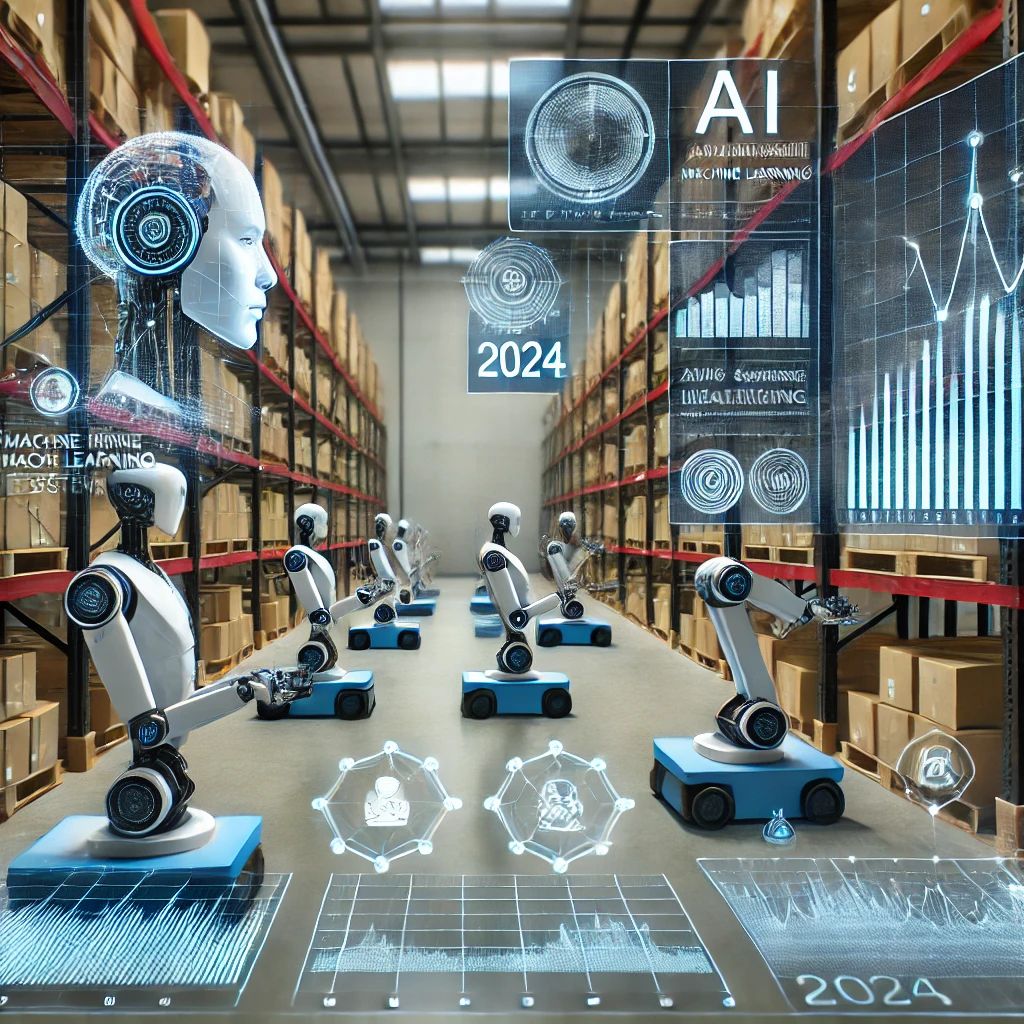
Another key trend is the rise of **automation and robotics** in warehouse management. Automated systems, including robots that can manage stock and handle repetitive tasks, are becoming essential in reducing human error and increasing efficiency. These systems are particularly valuable for large warehouses and distribution centers where managing stock manually is both time-consuming and prone to mistakes. Automated robots can streamline the entire process from stocking shelves to retrieving products for shipment, ensuring a faster, more accurate inventory turnover.
For example, by employing robots and automated sorting systems, companies can drastically reduce the time spent locating products and preparing them for delivery. This not only improves operational efficiency but also enhances customer satisfaction as orders are fulfilled more quickly.
With automation in place, businesses can operate with leaner staff while achieving more consistent and reliable stock levels, ultimately driving down labor costs and improving overall profitability.

The next major trend transforming inventory management is the use of **data-driven forecasting and predictive analytics**. With the increasing availability of big data, businesses now have the ability to analyze customer purchasing patterns, seasonal trends, and even external factors like economic conditions to make more accurate inventory decisions.
Using machine learning algorithms, companies can predict future demand more precisely, ensuring that they stock the right amount of products at the right time. Predictive analytics also helps businesses avoid overstocking or stockouts, minimizing waste and improving cash flow.
For example, retailers can analyze data from previous years to predict which products will be in high demand during peak shopping seasons. This enables them to adjust stock levels accordingly, ensuring they meet customer needs without overstocking items that may not sell.
By leveraging data, businesses can also optimize their reorder points and inventory turnover, ensuring they maintain a lean yet efficient stock that aligns with customer demand.

The final trend reshaping inventory management in 2024 is the push toward **sustainability and eco-friendly practices**. More businesses are recognizing the importance of reducing their environmental impact, and inventory management plays a key role in this effort.
Companies are now looking for ways to minimize waste, reduce carbon footprints, and adopt greener practices in their supply chains. This includes everything from using sustainable packaging materials to reducing energy consumption in warehouses. Additionally, some businesses are implementing circular inventory models, where products are recycled or repurposed rather than discarded.
For example, many warehouses are now equipped with solar panels and use electric-powered vehicles for inventory handling. These changes not only reduce energy costs but also support the company’s sustainability goals.
By focusing on eco-friendly practices, businesses can meet growing consumer demand for greener products while also reducing costs and improving efficiency.
“Why Partnering with a Startup Consultant Could Be the Game-Changer Your Business Needs”
In today’s fast-paced and ever-changing business landscape, companies are constantly searching for innovative ways to stay ahead. One solution that’s often overlooked is partnering with a startup consultant. While many businesses default to larger, more established consulting firms, working with a startup consultant can provide unique advantages that could make all the difference for your business.
Here’s why partnering with a startup consultant could be the game-changer your business needs:
Fresh Perspectives
Startup consultants are not weighed down by traditional methods or “cookie-cutter” solutions. Instead, they approach problems with fresh eyes and innovative strategies. Because they are accustomed to working in dynamic and often unpredictable environments, startup consultants excel at thinking outside the box, offering creative solutions tailored to your specific challenges.
Agility and Flexibility
One of the hallmarks of a startup consultant is their agility. Unlike larger consulting firms that may have rigid processes and hierarchies, startup consultants can pivot quickly to adapt to the specific needs of your business. This flexibility allows them to provide faster, more personalized support, often without the long lead times associated with bigger firms.
Cost-Effective Expertise
Startups understand the value of cost efficiency, both for themselves and for their clients. Because startup consultants typically have lower overhead than large firms, they can offer competitive pricing without sacrificing the quality of their services. This means you get access to high-quality, expert advice without breaking the bank.
Direct Access to Expertise
When you work with a larger consulting firm, your project may be delegated to various team members, often leaving you with limited access to senior experts. In contrast, startup consultants are typically more hands-on, ensuring you receive direct input from the key players in their organization. This not only enhances the quality of the engagement but also fosters stronger communication and better results.
Entrepreneurial Drive
Startup consultants, much like their clients, are often entrepreneurs. They understand the challenges, risks, and opportunities that come with running a business. Their passion for growth, innovation, and delivering value can translate into highly motivated consulting services that are focused on driving tangible results for your business.
Working with a startup consultant provides fresh insights, agility, and cost-effective solutions that might be exactly what your business needs to stay competitive. If you’re looking to shake things up, a startup consultant could be the perfect partner for your next project.
Russell Schaner Consulting Podcast
Introducing the Russell Schaner Consulting Podcast: Your Go-To Source for Supply Chain and Business Optimization
I’m thrilled to announce the launch of the **Russell Schaner Consulting Podcast**, where I’ll be diving deep into the world of **supply chain management**, **logistics**, and **business optimization**. Whether you’re looking to streamline your processes, improve operational efficiency, or get expert insights on cost reduction, this podcast is designed for you.
What You Can Expect:
– Practical tips to optimize your supply chain
– Strategies for reducing costs and boosting efficiency
– Real-world examples and case studies
– Interviews with industry professionals
I’ll be covering topics that every business owner, supply chain manager, and operations professional needs to know to stay competitive in today’s fast-paced world.
I invite you to **check out the first episode** of the podcast and subscribe to stay updated on future releases!
👉 Listen now: [Russell Schaner Consulting Podcast](https://russellschanerconsulting.com/russell-schaner-consulting-podcast/)
Don’t forget to leave a comment or reach out if there’s a topic you’d love to hear about. Together, we’ll take your business to the next level!
#SupplyChain #BusinessOptimization #RussellSchanerConsulting #PodcastLaunch #LogisticsStrategies
Unlock Your Supply Chain Potential: Introducing Our Comprehensive New Course
Supply chains are the backbone of any business, yet many organizations struggle with inefficiencies, high costs, and outdated processes. These challenges can hinder growth and reduce competitiveness in an ever-evolving market. If you’re ready to turn these challenges into opportunities, my new course is designed just for you. Packed with actionable insights, real-world examples, and interactive learning, this course will transform the way you approach supply chain management.
Why This Course?
In today’s fast-paced business environment, staying ahead of the curve is crucial. My course dives deep into the most effective strategies for optimizing your supply chain, from leveraging cutting-edge technologies like AI and automation to mastering cost reduction techniques that maintain quality. Each module is designed to be practical and easy to implement, ensuring that you can apply what you learn directly to your current role or business.
What You’ll Learn:
– Streamline Operations: Discover proven methods to reduce bottlenecks and improve overall efficiency within your supply chain.
– Cost Reduction Techniques: Learn how to identify and eliminate unnecessary expenses without sacrificing product quality or service standards.
– Leveraging Technology: Get hands-on with the latest technology trends, including AI, machine learning, and automation, and learn how to integrate these tools into your operations for maximum impact.
– Sustainability Practices: Understand how to make your supply chain more sustainable, reducing your environmental footprint while also appealing to increasingly eco-conscious consumers.
Who Should Enroll?
This course is perfect for professionals looking to advance their careers in supply chain management, business owners who want to optimize their operations, or newcomers to the field who want to build a strong foundation. No matter your background, this course will equip you with the skills and knowledge to excel.
Real-World Impact:
Here’s what one of our early participants had to say:
“Before taking this course, our supply chain was a constant source of headaches. With Russell’s guidance, we were able to streamline our processes and significantly cut costs, which has had a massive impact on our bottom line.”
Ready to Transform Your Supply Chain?
If you’re ready to take the next step, enroll now and get the first module for free when you download my eBook. It’s time to invest in your future and unlock the full potential of your supply chain. Don’t miss out on this opportunity to learn from proven experts and elevate your career or business.
Click on [here](https://russellschanerconsulting.wordpress.com) to learn more and get started today!
The Future of Supply Chain Management: Trends to Watch

The landscape of supply chain management is rapidly evolving, driven by advancements in technology, shifting consumer expectations, and global challenges that demand resilience and innovation. To stay competitive, businesses must keep an eye on the latest trends that are shaping the future of supply chain management. Below, we explore the key trends that every business should watch closely.
Embracing Digital Transformation
Digital transformation is no longer optional for businesses—it’s a necessity. Technologies such as Artificial Intelligence (AI), Machine Learning (ML), and the Internet of Things (IoT) are revolutionizing supply chain processes. AI and ML can optimize inventory management, predict demand, and enhance decision-making, while IoT devices offer real-time tracking and monitoring of goods, improving transparency and reducing the risk of disruptions. Companies that embrace these technologies can gain a significant edge over competitors, driving efficiency and accuracy in their operations.
Sustainability and Green Logistics
Sustainability is becoming a key priority in supply chain management as consumers and regulators increasingly demand eco-friendly practices. Companies are focusing on reducing their carbon footprint through green logistics, such as optimizing routes to reduce fuel consumption, utilizing electric vehicles, and adopting sustainable packaging. By integrating sustainability into their supply chain strategies, businesses not only comply with regulatory standards but also build a positive brand image and connect with environmentally conscious customers.
Resilience and Risk Management
The COVID-19 pandemic highlighted the vulnerabilities in global supply chains, prompting companies to prioritize resilience and risk management. This involves diversifying suppliers, increasing safety stock, and investing in technologies that provide greater visibility and flexibility across the supply chain. By building resilience, businesses can better withstand disruptions and continue to serve their customers effectively.
Blockchain for Transparency and Security
Blockchain technology is gaining traction in supply chain management for its ability to enhance transparency and security. By providing a decentralized ledger of transactions, blockchain can help reduce fraud, ensure the authenticity of products, and streamline processes like contract management. This increased transparency helps build trust with customers and partners, creating a more reliable and efficient supply chain.
The Rise of Automation and Robotics
Automation and robotics are transforming supply chains by improving efficiency and reducing labor costs. From automated warehouses to robotic process automation (RPA) in back-office tasks, these technologies help companies speed up operations and minimize errors. As automation continues to advance, we can expect even greater integration of robotics in supply chain processes, enhancing productivity and scalability.
Data-Driven Decision Making
Data is the backbone of modern supply chain management. Companies are increasingly relying on data analytics to make informed decisions. Predictive analytics helps in demand forecasting, while real-time data allows for quick adjustments to avoid disruptions. By leveraging data, businesses can optimize inventory levels, improve order fulfillment, and enhance overall supply chain performance.
The Importance of Agility
Agility in supply chain management means being able to quickly adapt to market changes, customer demands, and unexpected disruptions. Companies are adopting agile methodologies to enhance their supply chain’s flexibility, such as just-in-time inventory systems and modular manufacturing. Agility allows businesses to respond swiftly to changing conditions, maintaining service levels and customer satisfaction.
Conclusion
The future of supply chain management is shaped by technology, sustainability, and the need for greater resilience and agility. By staying ahead of these trends, businesses can optimize their supply chains, reduce risks, and drive growth. As the industry continues to evolve, those who adapt will be well-positioned to thrive in the competitive landscape.
Business Success with Supply Chain Optimization


Staying Ahead of the Curve: Latest Trends in Supply Chain and Logistics Consulting
In today’s fast-paced and increasingly complex global market, staying ahead of the curve is crucial for businesses to remain competitive. Supply chain and logistics play a vital role in driving success, and companies must adapt to emerging trends and technologies to optimize their operations.
The supply chain and logistics landscape is constantly evolving, with new innovations and challenges arising every day. From digital transformations to shifting customer expectations, businesses must navigate these changes to stay ahead of the competition.
In this blog post, we’ll explore the latest trends in supply chain and logistics consulting, including:
– Increased adoption of digital technologies like AI and blockchain
– Growing focus on sustainability and eco-friendly practices
– Rising importance of risk management and resilience
– Greater emphasis on customer experience and personalized logistics solutions
The use of digital technologies like AI, blockchain, and the Internet of Things (IoT) is revolutionizing supply chain and logistics management. These technologies enable real-time tracking, predictive analytics, and optimized route planning, leading to increased efficiency and reduced costs.
As consumers become more environmentally conscious, businesses are under pressure to adopt sustainable practices throughout their supply chains. This includes reducing carbon emissions, minimizing waste, and implementing eco-friendly packaging solutions.
Global events like pandemics, natural disasters, and geopolitical tensions highlight the need for robust risk management and resilience in supply chain and logistics. Companies must develop strategies to mitigate risks, ensure business continuity, and maintain customer trust.
Today’s customers expect personalized, fast, and flexible delivery options. Businesses must invest in logistics solutions that meet these expectations, such as same-day delivery, real-time tracking, and flexible returns.
By embracing these trends and innovations, businesses can optimize their operations, drive success, and remain competitive in an ever-changing market. Our team at Russell Schaner Consulting Services is dedicated to helping you navigate these changes and achieve supply chain excellence.

How Data-Driven Decisions Can Transform Your Supply Chain Strategy
In today’s competitive business environment, making data-driven decisions is crucial for optimizing supply chain operations. Data analytics provides valuable insights that can help businesses reduce costs, improve efficiency, and enhance overall performance. Here’s how integrating data-driven strategies can transform your supply chain management.
1. Improved Demand Forecasting
Utilizing data analytics allows for more accurate demand forecasting by analyzing historical data, market trends, and consumer behavior. This leads to better inventory management, reduces the risk of stockouts or overstocking, and aligns production schedules with actual demand.
2. Enhanced Supplier Management
Data-driven decisions enable businesses to assess supplier performance comprehensively. By analyzing metrics such as lead times, quality scores, and costs, companies can make informed decisions about which suppliers to retain, negotiate better terms, or diversify their supplier base to mitigate risks.
3. Increased Operational Efficiency
Data analytics helps identify bottlenecks and inefficiencies within the supply chain. By tracking real-time data on logistics, warehousing, and transportation, companies can optimize routes, reduce downtime, and streamline operations to cut costs and improve delivery times.
4. Better Risk Management
Using data to predict and manage risks is essential for a resilient supply chain. Analyzing data from various sources allows businesses to foresee potential disruptions, such as supplier failures or market shifts, and develop contingency plans to minimize impact.
5. Strategic Decision-Making
With data-driven insights, companies can make strategic decisions that align with their long-term goals. Whether it’s entering a new market, adjusting pricing strategies, or scaling operations, data provides a factual basis for making informed choices that drive business growth.
Implementing data-driven strategies in your supply chain management not only improves day-to-day operations but also sets your business up for sustainable success. Ready to make data work for you? Contact us for a consultation on integrating data analytics into your supply chain strategy.
#SupplyChain #DataDrivenDecisions #BusinessStrategy #LogisticsOptimization #ConsultingServices
Top 3 Mistakes Businesses Make in Supply Chain Management (And How to Avoid Them)
Managing a supply chain effectively is critical for any business’s success, but it’s easy to make mistakes that can lead to costly disruptions. Here are the top three mistakes businesses often make in supply chain management and how you can avoid them.
1. Poor Demand Forecasting
One of the biggest pitfalls in supply chain management is inaccurate demand forecasting. Overestimating demand can lead to excess inventory and wasted resources, while underestimating demand can cause stockouts and missed sales opportunities. To avoid this, use data-driven forecasting tools and historical sales data to make more accurate predictions. Regularly update forecasts based on market trends and adjust your strategy accordingly.
2. Lack of Supplier Diversification
Relying too heavily on a single supplier can put your supply chain at risk. If that supplier faces disruptions, such as natural disasters or financial troubles, your entire supply chain could be impacted. Diversify your supplier base to mitigate risks and ensure a steady flow of goods. Regularly assess your suppliers’ performance and have contingency plans in place to switch suppliers quickly if needed.
3. Inefficient Inventory Management
Inefficient inventory management can lead to increased holding costs, stockouts, and unhappy customers. Many businesses struggle to find the right balance between overstocking and understocking. Implement inventory management techniques like Just-In-Time (JIT) or ABC analysis to optimize stock levels. Use inventory management software to track stock in real-time and adjust orders based on current demand.
Avoiding these common mistakes can significantly improve your supply chain’s efficiency and resilience. By focusing on accurate demand forecasting, supplier diversification, and efficient inventory management, your business can build a robust supply chain that supports growth and adapts to market changes. Need help optimizing your supply chain? Reach out today for a free consultation!
#SupplyChainManagement #Logistics #BusinessOptimization #Consulting #Efficiency
5 Essential Supply Chain Strategies to Boost Efficiency and Reduce Costs

In today’s competitive business environment, optimizing your supply chain is no longer optional—it’s a necessity. Here are five essential strategies to help boost efficiency and reduce costs in your supply chain operations.
1. Evaluate and Streamline Your Processes
Take a close look at your current supply chain processes. Identify any redundant steps and look for ways to streamline workflows. Simplifying your processes can reduce lead times and eliminate unnecessary costs, making your supply chain more agile and responsive.
2. Embrace Technology
Leveraging the latest technologies, such as AI and automation, can significantly enhance your supply chain efficiency. Tools like predictive analytics can forecast demand more accurately, while automation can reduce manual errors and speed up operations, resulting in cost savings.
3. Optimize Inventory Management
Effective inventory management is key to reducing costs. Implement inventory optimization techniques such as Just-In-Time (JIT) to minimize holding costs and reduce the risk of obsolescence. Accurate inventory tracking helps maintain the right balance between supply and demand.
4. Strengthen Vendor Relationships
Building strong relationships with your vendors can lead to better pricing, improved terms, and more reliable service. Consider conducting regular reviews with your vendors to ensure they meet your performance expectations, and don’t hesitate to negotiate for better terms that align with your business goals.
5. Focus on Continuous Improvement
Supply chain management isn’t a set-it-and-forget-it task. Establish a culture of continuous improvement by regularly reviewing performance metrics and seeking feedback from all stakeholders. Use this data to make informed decisions and continuously refine your strategies.
Implementing these strategies can transform your supply chain into a competitive advantage, driving growth and profitability for your business. Ready to take your supply chain to the next level? Contact us today for a free consultation and see how we can help streamline your operations.
#SupplyChain #Logistics #BusinessGrowth #ConsultingServices #Efficiency
 Russell Schaner Consulting